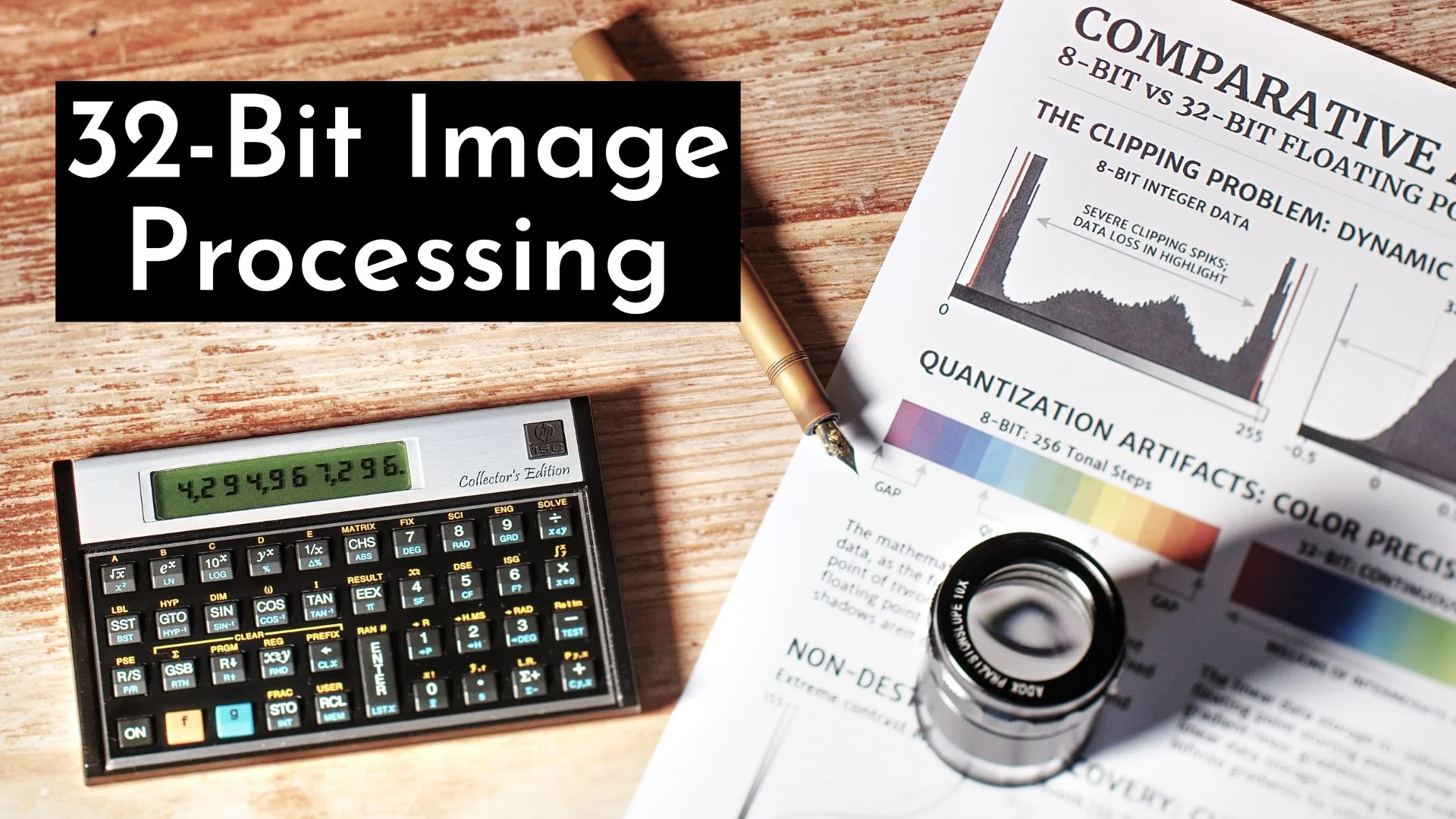
Upgrading the Math, Not the Camera
After the image is captured and written to the card, digital photography becomes a numbers game. Everything that happens from this point on is some sort of mathematical operation, usually hidden behind the convenience of a slider.
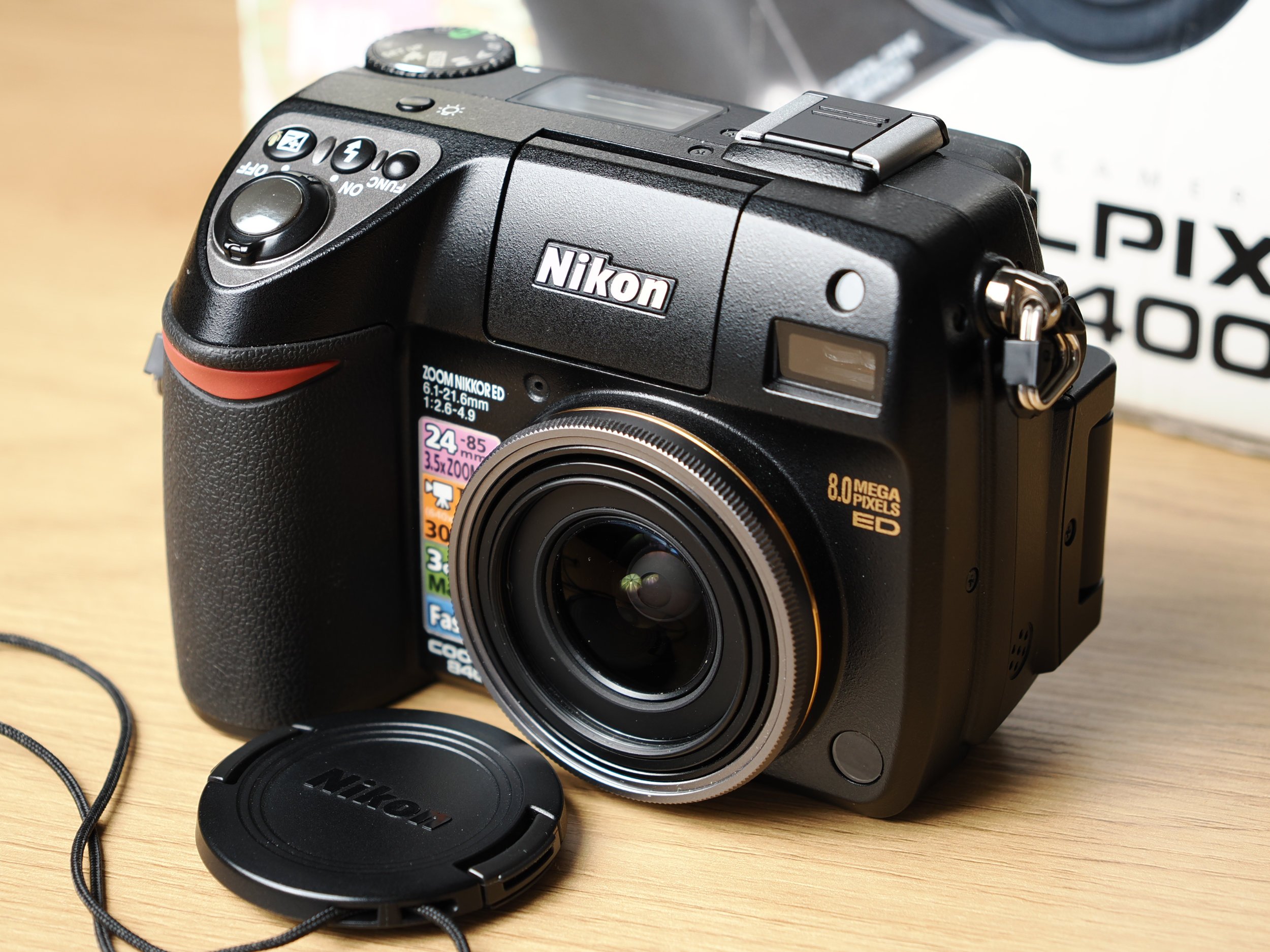
Better math improves the image quality of every digital camera!
It is fair to conclude that regardless of whether you print the image or show it on a screen, the quality of the result depends on two things: your skills as an image editor and the quality of the formulas used in the editing software, right? Well, not exactly. Beyond these two factors, there is another element almost universally overlooked in the world of photography: the very logic of the numbers used in these processes.
Most image editing relies on integers. Be it 8-bit, 12-bit, or 16-bit, the quality of the image processing always suffers from rounding errors. Interestingly, this issue was solved by computer scientists in the 1980s and largely embraced by the audio world in the early 2000s, yet photographers have failed to catch up. 32-bit float systems are vastly superior to integer math, providing near-infinite dynamic range, practically perfect precision, and evenly distributed quantization noise.
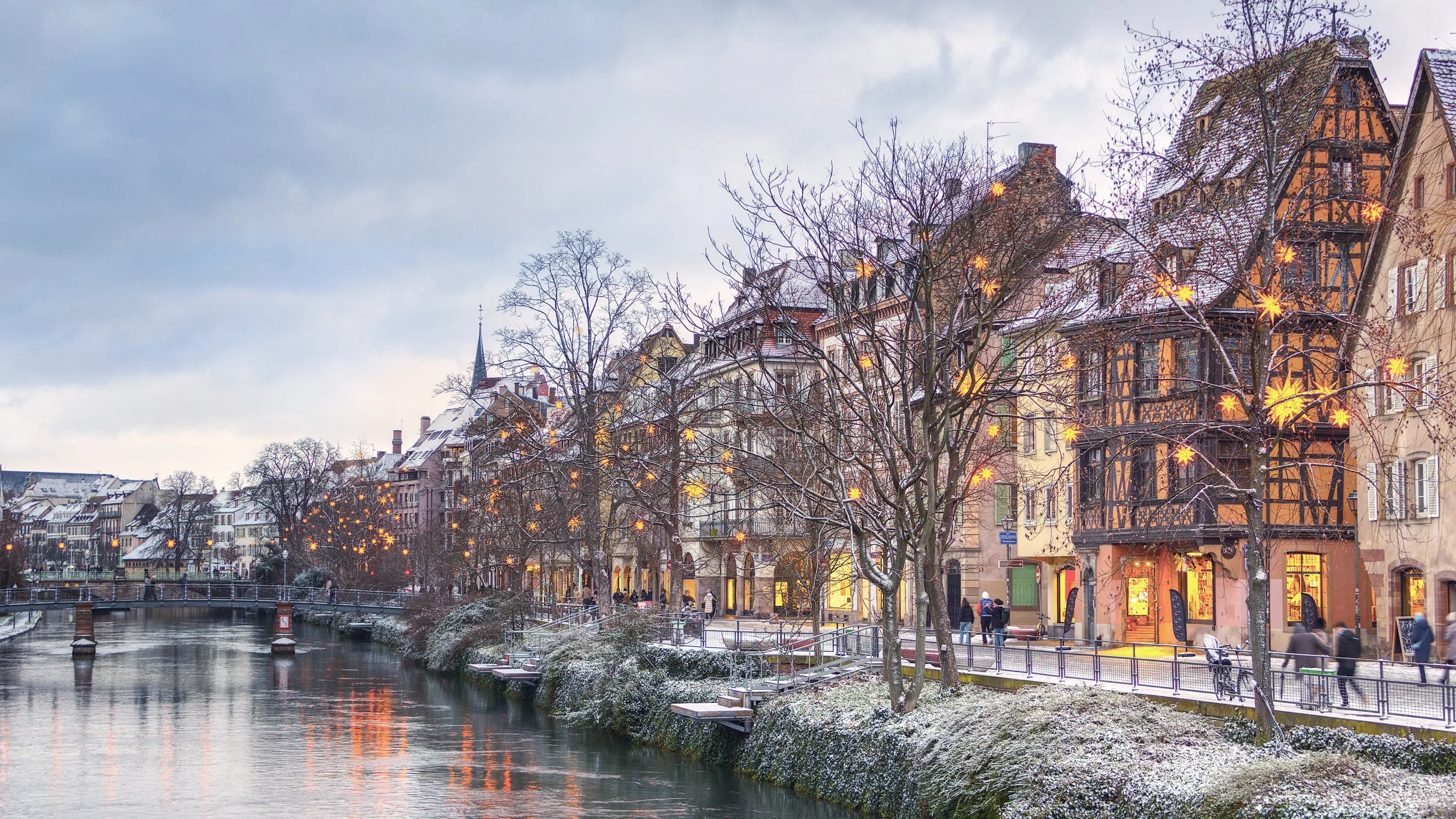
Natural high dynamic range photography requires the math only 32-bit float can deliver.
In my high-end editing workflows, I regularly work in 32-bit editing environments, as the improvement in quality—especially when performing extreme edits—is significant. The conclusion, therefore, is that instead of upgrading your camera, you are better off upgrading the math (and the editing skills necessary to make use of it).
As the internet is practically devoid of serious resources on the topic, I have decided to produce video courses on the subject. The foundational lecture is available exclusively to my channel members over on YouTube. Join our community of dedicated imaging professionals and eliminate the mathematical bottleneck hampering the output of your digital camera. You will be blown away by what you can achieve, even when using an "ancient" digital camera, as I do from time to time.